Contains 25 dahlia seeds from all varieties grown on the farm. Please read below!!
There is nothing like Dahlias! They are one of my favorite flowers to grow, especially from seed!
Before we get into the nitty gritty below, I just want to say, growing dahlias from seed is one of the most satisfying things I do as a grower. Not only for each brand new bloom I see, but for what it brings to my environment. My dahlia breeding patch is full of life! Bees, butterflies, and all forms of life are thriving in the patch. I am in constant awe and amazement every time I walk through it! And knowing I am encouraging that much life and feeding an ecosystem that’s currently in danger is a thing I will never regret doing.
Dahlias are unique for a multitude of reasons, but one of the main draws to dahlias is their genetics. Because of their unique gene structure every single dahlia seed is a unicorn. There will not be another one with the same genetic structure…ever. Dahlias can have similar traits as their parents, but each seed will be genetically different. That is what makes dahlia seeds so fun!! You never know what you will come across when planting.
There are so many varieties and types of dahlias. But when growing you need to know a little background on dahlia genetics, to better appreciate what pops up in your garden.
The dominant gene in dahlias is to have an open-center, this is how the original dahlias existed. Full petaled varieties are created from recessive genes. Dominant genes are well… dominant, so when growing expect to see a lot of open centered varieties pop up. Which I absolutely love! Open-center dahlias attract more pollinators due to the easy access to pollen. But recessive gens can combine and give you the coveted fully-doubled petal varieties. The more seeds you plant, the more you increase you chance of the fully-doubled petals. My seedling breeding patch is one of my favorite places ever to walk through every year. I love seeing all the pollinators and never before seen dahlias! There is nothing like the excitement to watch a brand new dahlia unveil itself.
Dahlia seeds have an odd germination time. Anywhere from 2-20 days. So don’t worry if they sprout sporadically.
Dahlia seeds have a lower germination rate average typically around ±80%.
One of the best parts of growing new dahlias is, if there is a beautiful unicorn you love, you can save the new tuber for the following year!
Key Features:
Variety: Mix
Pollinator Friendly: Excellent for bees, butterflies, and other beneficial insects
Days to Maturity: Average 100 days
Bloom Time: From Maturity to first frost
Height: 2 to 4 feet tall, depending on genetics
Growth: Easy to grow from seed—perfect for gardeners of all levels
🌱 How to Grow:
Sunlight: Full sun (6–8 hours/day)
Soil: Well-draining, fertile soil
Sowing: Start indoors 6-10 weeks before last frost, direct sow is NOT recommended. Please see below.
Spacing: 12–18 inches apart, but can be placed as tight as 6 inches
🌱 How to Sprout using The Paper Towel Method
Collect your supplies: Seeds, Paper towels, Plastic bag or I use a plastic shoe box, but any waterproof container with an ability to be semi-covered will work. You will also need to have your soil and seed trays ready( seed trays are not required, look into making snail rolls, reusing containers, biodegradable pots, whatever you choose, but have your growing area prepared)
Make sure your paper towels will fit in whatever container your choosing to use.
Wet your first layer of paper towels( my layers are typically two paper towels thick), it does not need to be dripping.
Spread dahlia seeds across damp paper towel.
Wet second layer of paper towels and lay on top of dahlia seeds.
Place double layer in bag of container. Do not close container or bag all the way, the seeds need some air circulation. I leave my plastic shoe box lid just a little off center.
Place somewhere warm, above 75 degrees is best for promoting germination. if you have a heat mat set them there.
Check seeds daily. Keep paper towels damp, but not dripping. Plant any seeds that have sprouted into soil under grow lights. Change paper towels if mold occurs.
Packet Contains: Approx. 25 seeds( packed by weight)
Germination Rate: Not yet tested
Non-GMO | Untreated | Open-Pollinated
🌿 Sow beauty. Feed pollinators. Create a garden that gives back.
Contains 25 dahlia seeds from all varieties grown on the farm. Please read below!!
There is nothing like Dahlias! They are one of my favorite flowers to grow, especially from seed!
Before we get into the nitty gritty below, I just want to say, growing dahlias from seed is one of the most satisfying things I do as a grower. Not only for each brand new bloom I see, but for what it brings to my environment. My dahlia breeding patch is full of life! Bees, butterflies, and all forms of life are thriving in the patch. I am in constant awe and amazement every time I walk through it! And knowing I am encouraging that much life and feeding an ecosystem that’s currently in danger is a thing I will never regret doing.
Dahlias are unique for a multitude of reasons, but one of the main draws to dahlias is their genetics. Because of their unique gene structure every single dahlia seed is a unicorn. There will not be another one with the same genetic structure…ever. Dahlias can have similar traits as their parents, but each seed will be genetically different. That is what makes dahlia seeds so fun!! You never know what you will come across when planting.
There are so many varieties and types of dahlias. But when growing you need to know a little background on dahlia genetics, to better appreciate what pops up in your garden.
The dominant gene in dahlias is to have an open-center, this is how the original dahlias existed. Full petaled varieties are created from recessive genes. Dominant genes are well… dominant, so when growing expect to see a lot of open centered varieties pop up. Which I absolutely love! Open-center dahlias attract more pollinators due to the easy access to pollen. But recessive gens can combine and give you the coveted fully-doubled petal varieties. The more seeds you plant, the more you increase you chance of the fully-doubled petals. My seedling breeding patch is one of my favorite places ever to walk through every year. I love seeing all the pollinators and never before seen dahlias! There is nothing like the excitement to watch a brand new dahlia unveil itself.
Dahlia seeds have an odd germination time. Anywhere from 2-20 days. So don’t worry if they sprout sporadically.
Dahlia seeds have a lower germination rate average typically around ±80%.
One of the best parts of growing new dahlias is, if there is a beautiful unicorn you love, you can save the new tuber for the following year!
Key Features:
Variety: Mix
Pollinator Friendly: Excellent for bees, butterflies, and other beneficial insects
Days to Maturity: Average 100 days
Bloom Time: From Maturity to first frost
Height: 2 to 4 feet tall, depending on genetics
Growth: Easy to grow from seed—perfect for gardeners of all levels
🌱 How to Grow:
Sunlight: Full sun (6–8 hours/day)
Soil: Well-draining, fertile soil
Sowing: Start indoors 6-10 weeks before last frost, direct sow is NOT recommended. Please see below.
Spacing: 12–18 inches apart, but can be placed as tight as 6 inches
🌱 How to Sprout using The Paper Towel Method
Collect your supplies: Seeds, Paper towels, Plastic bag or I use a plastic shoe box, but any waterproof container with an ability to be semi-covered will work. You will also need to have your soil and seed trays ready( seed trays are not required, look into making snail rolls, reusing containers, biodegradable pots, whatever you choose, but have your growing area prepared)
Make sure your paper towels will fit in whatever container your choosing to use.
Wet your first layer of paper towels( my layers are typically two paper towels thick), it does not need to be dripping.
Spread dahlia seeds across damp paper towel.
Wet second layer of paper towels and lay on top of dahlia seeds.
Place double layer in bag of container. Do not close container or bag all the way, the seeds need some air circulation. I leave my plastic shoe box lid just a little off center.
Place somewhere warm, above 75 degrees is best for promoting germination. if you have a heat mat set them there.
Check seeds daily. Keep paper towels damp, but not dripping. Plant any seeds that have sprouted into soil under grow lights. Change paper towels if mold occurs.
Packet Contains: Approx. 25 seeds( packed by weight)
Germination Rate: Not yet tested
Non-GMO | Untreated | Open-Pollinated
🌿 Sow beauty. Feed pollinators. Create a garden that gives back.

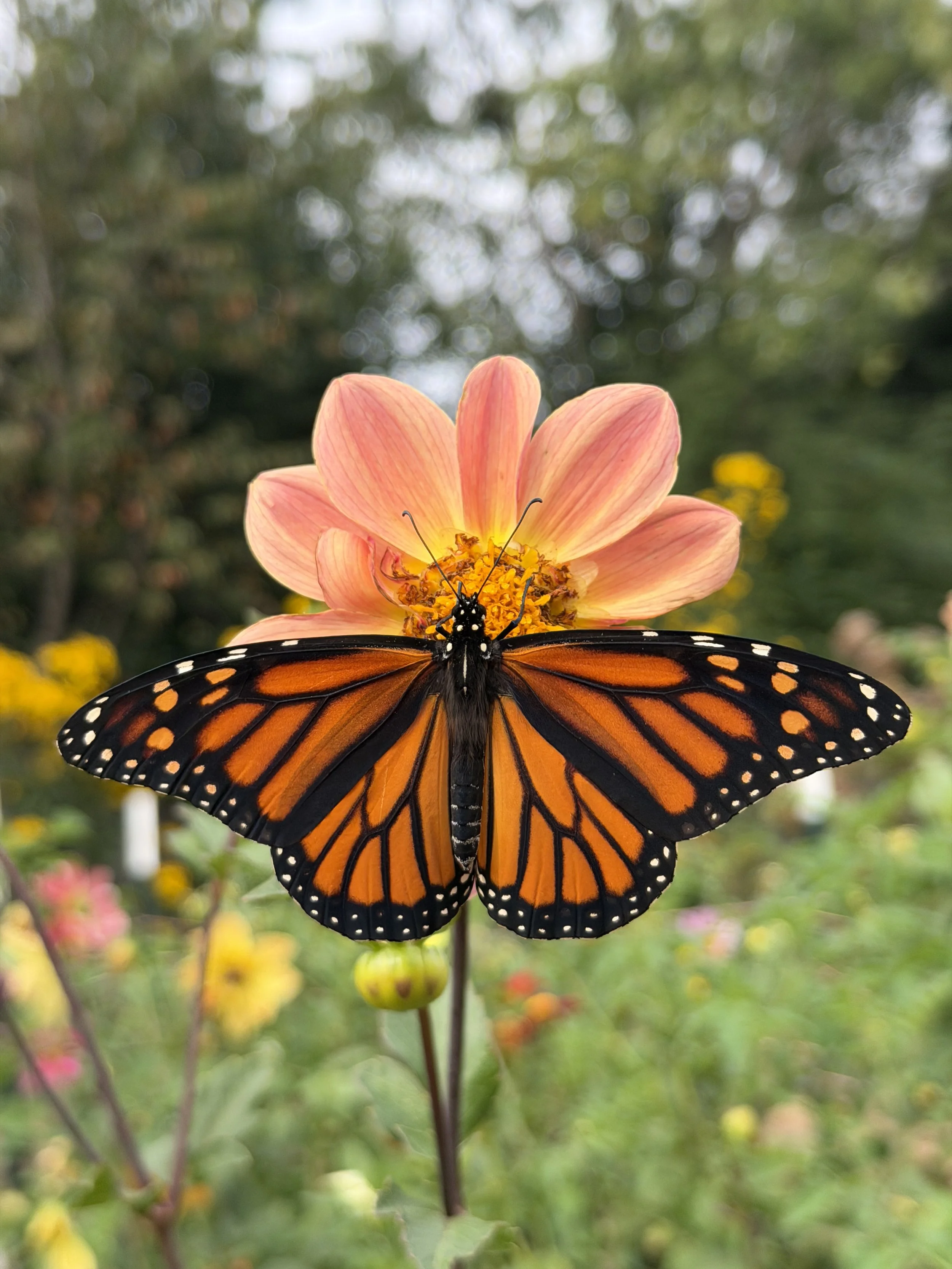 Image 1 of 18
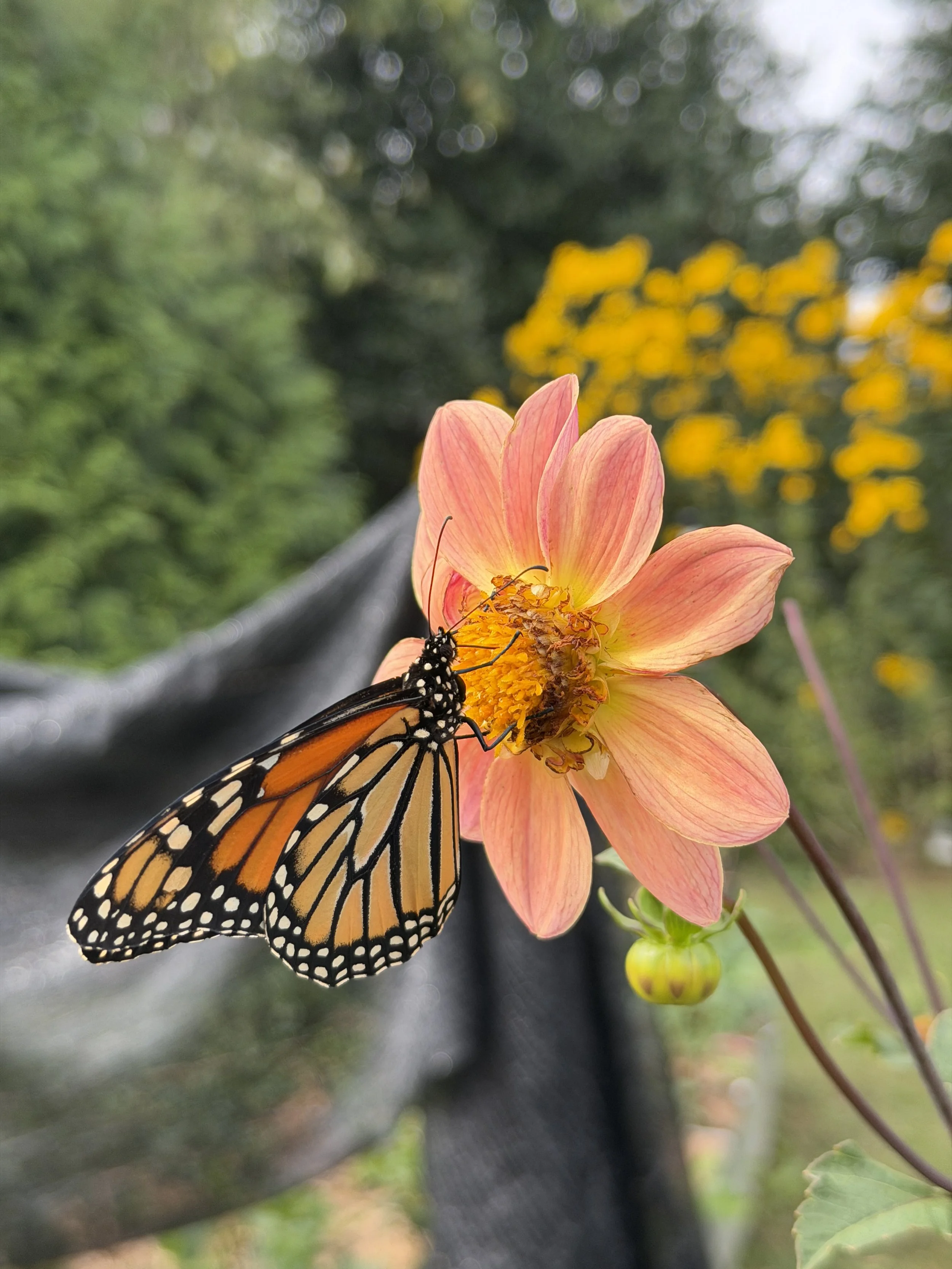 Image 2 of 18
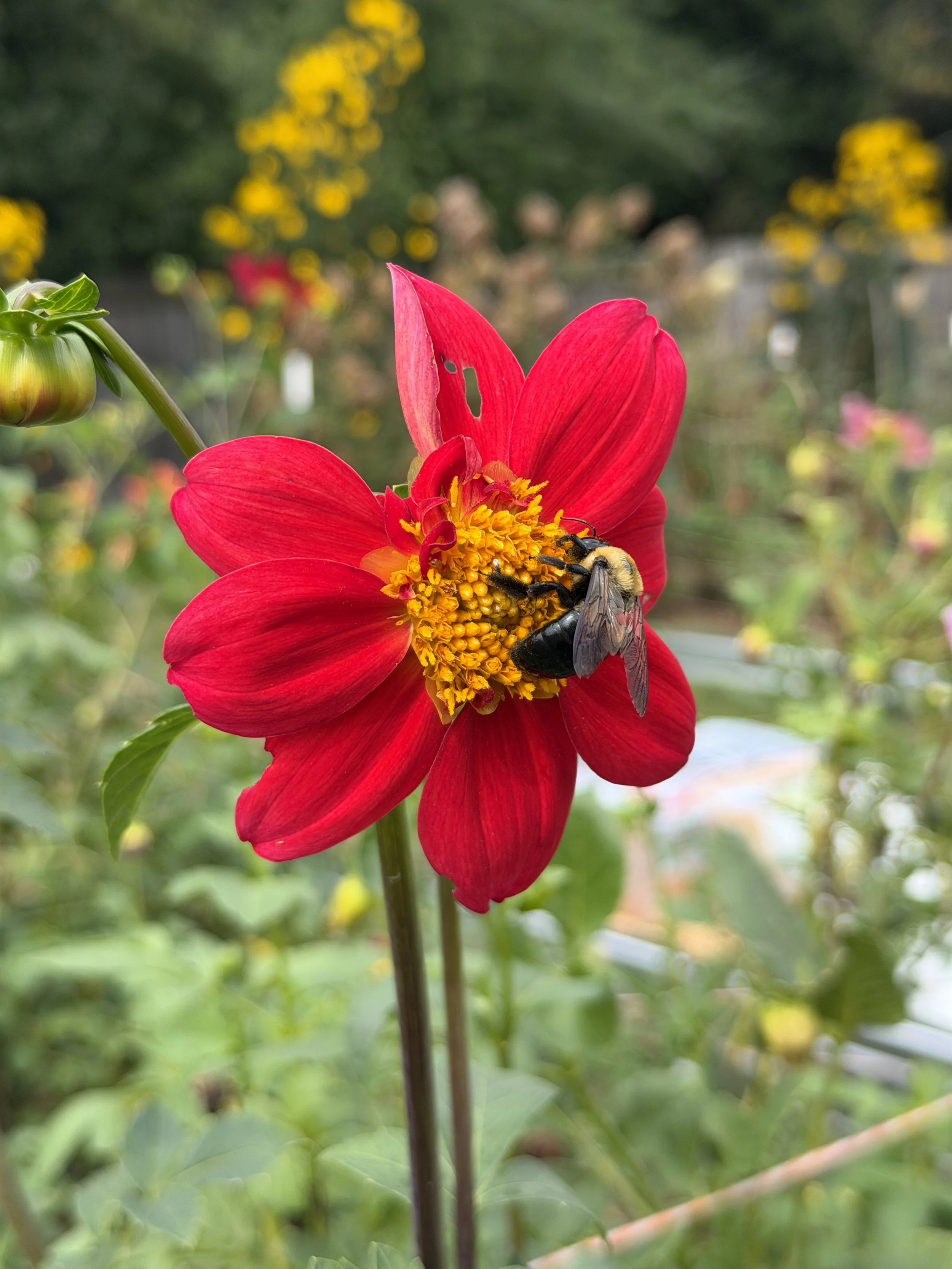 Image 3 of 18
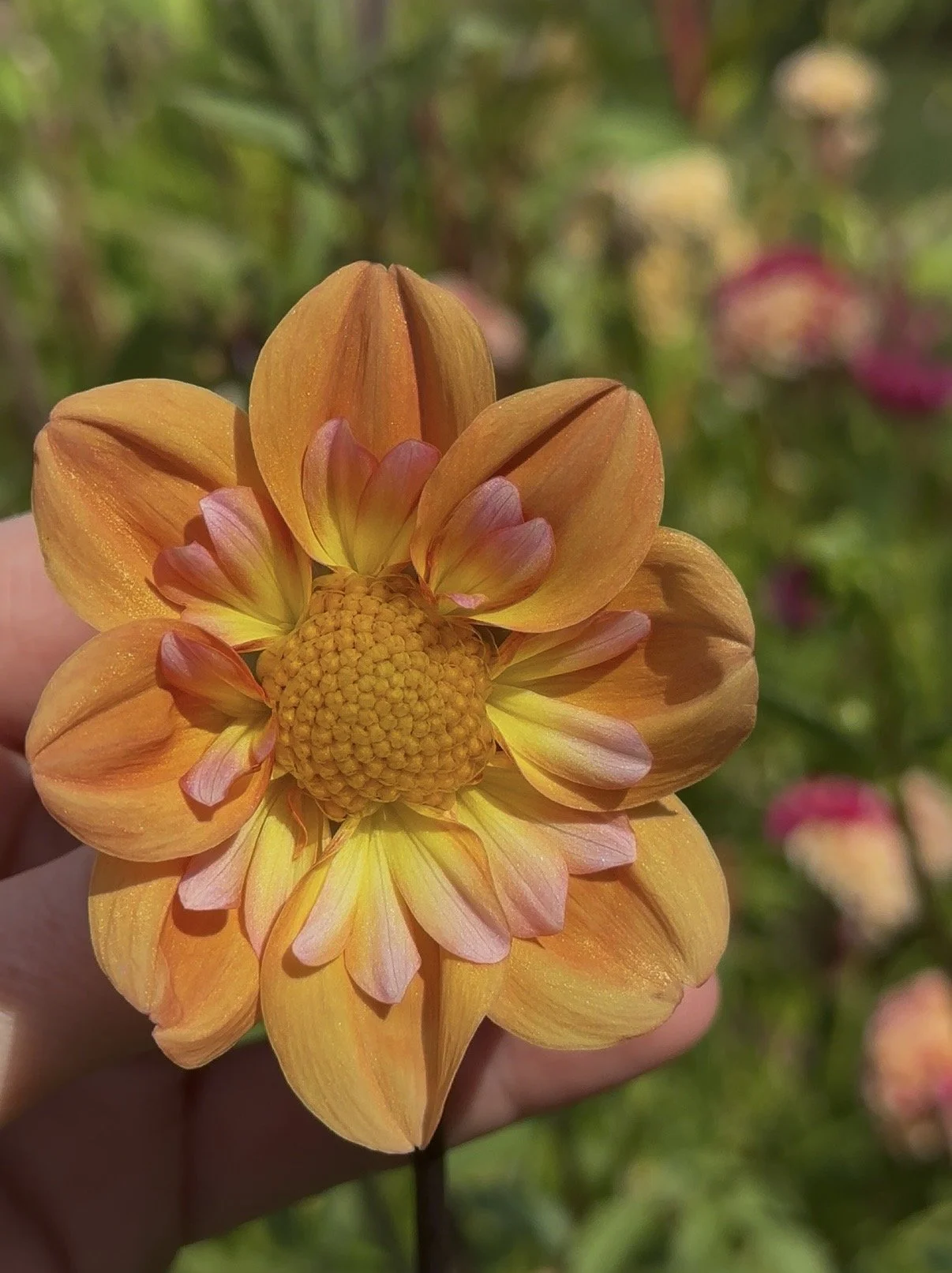 Image 4 of 18
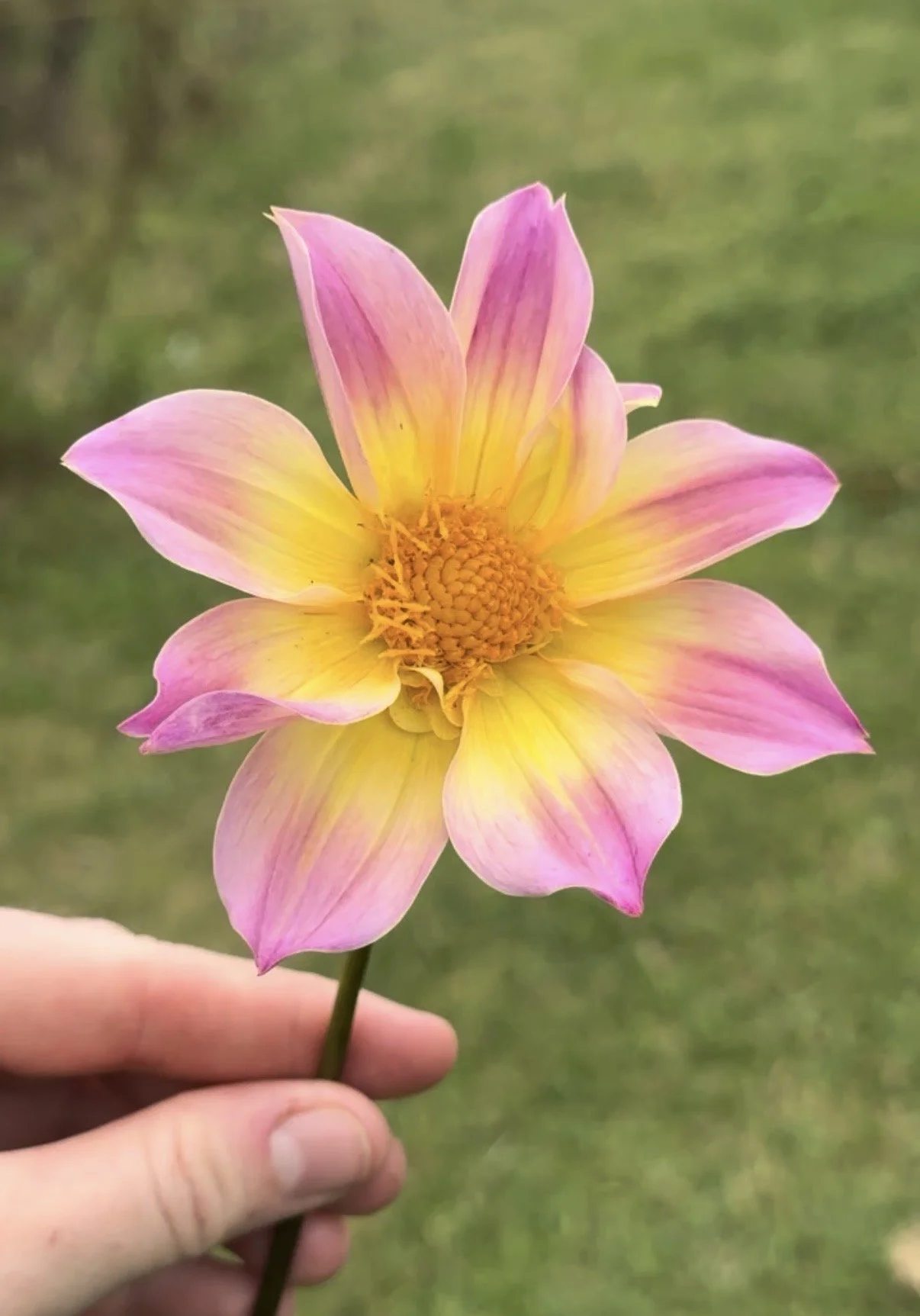 Image 5 of 18
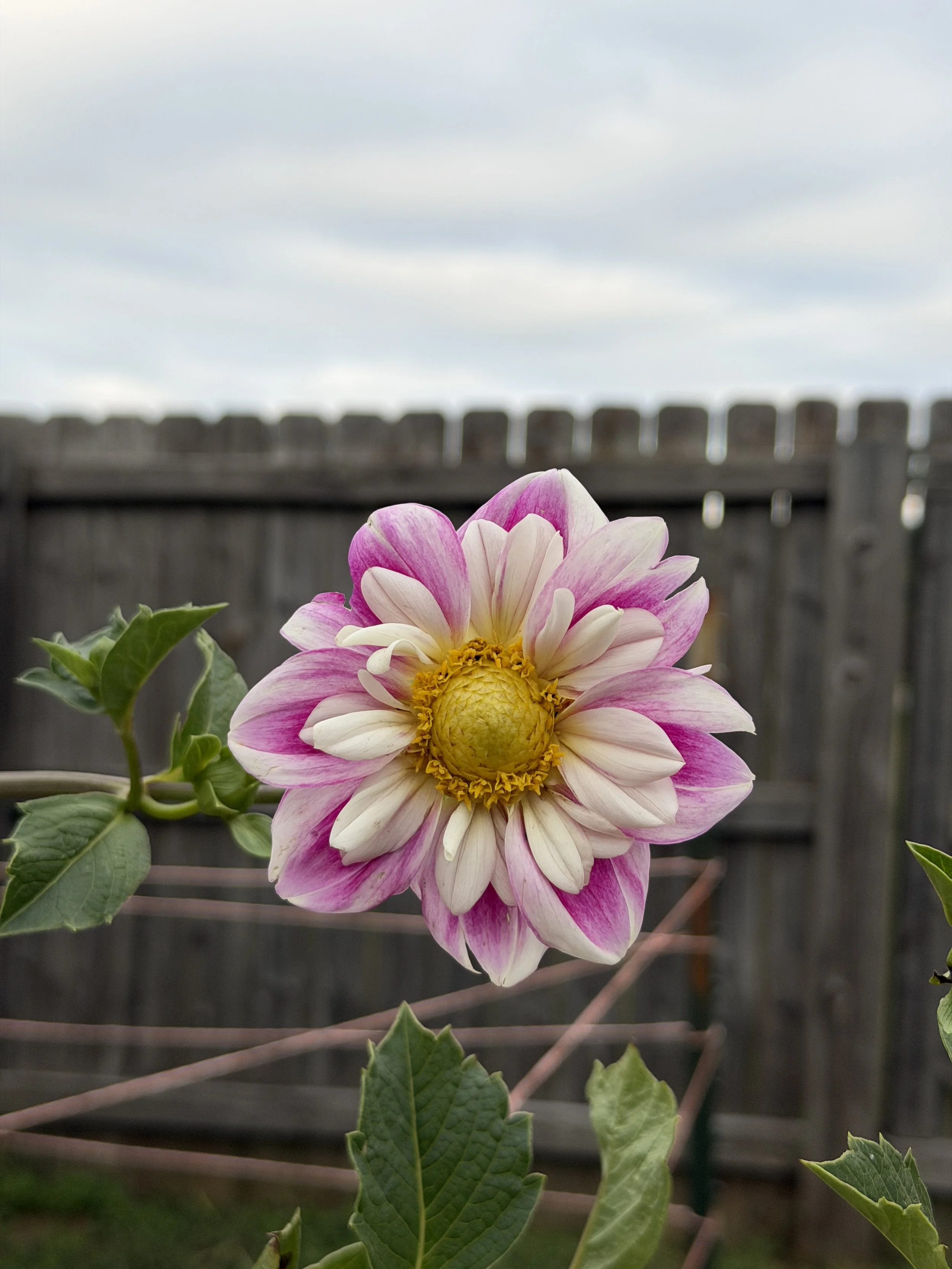 Image 6 of 18
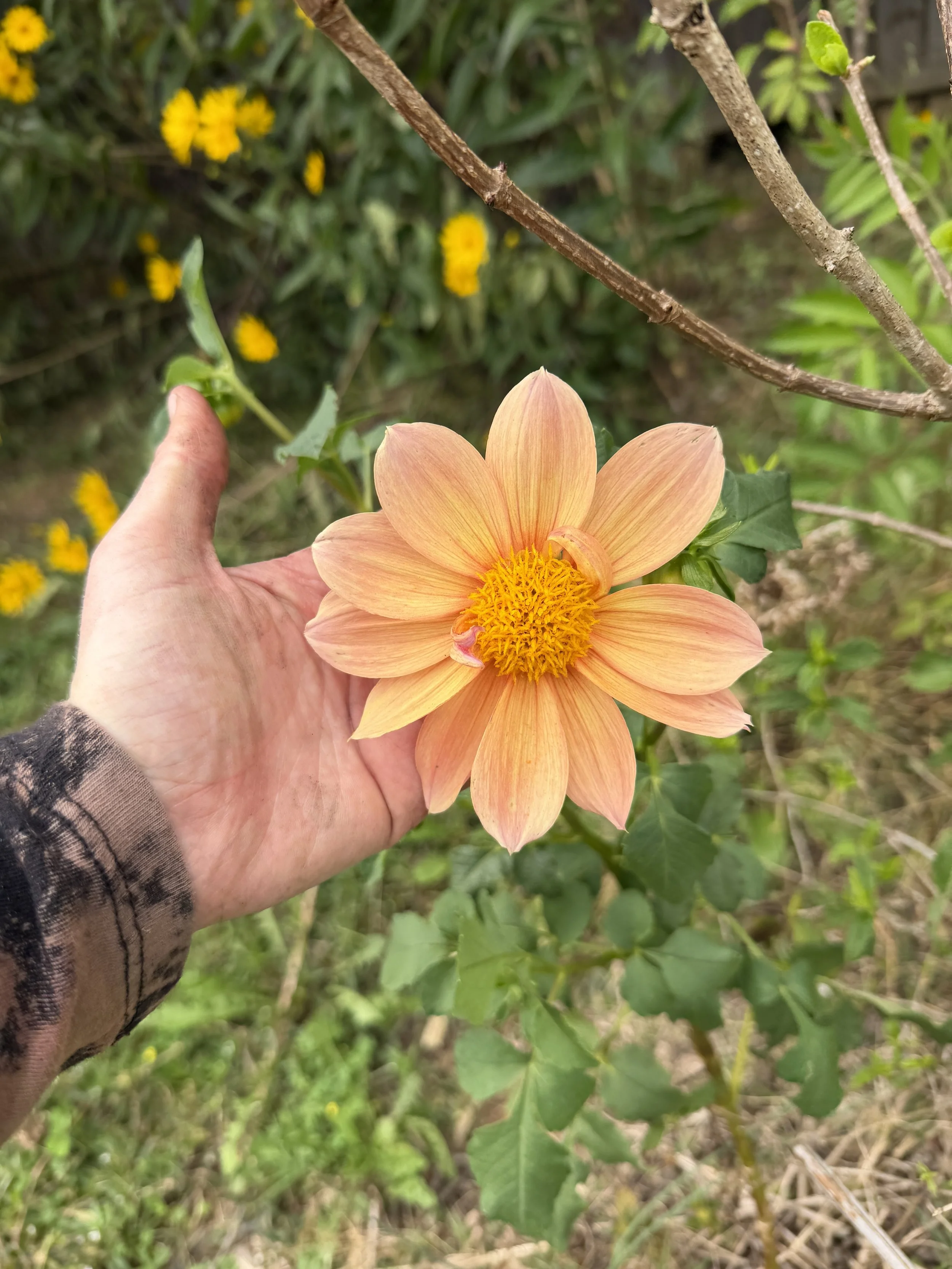 Image 7 of 18
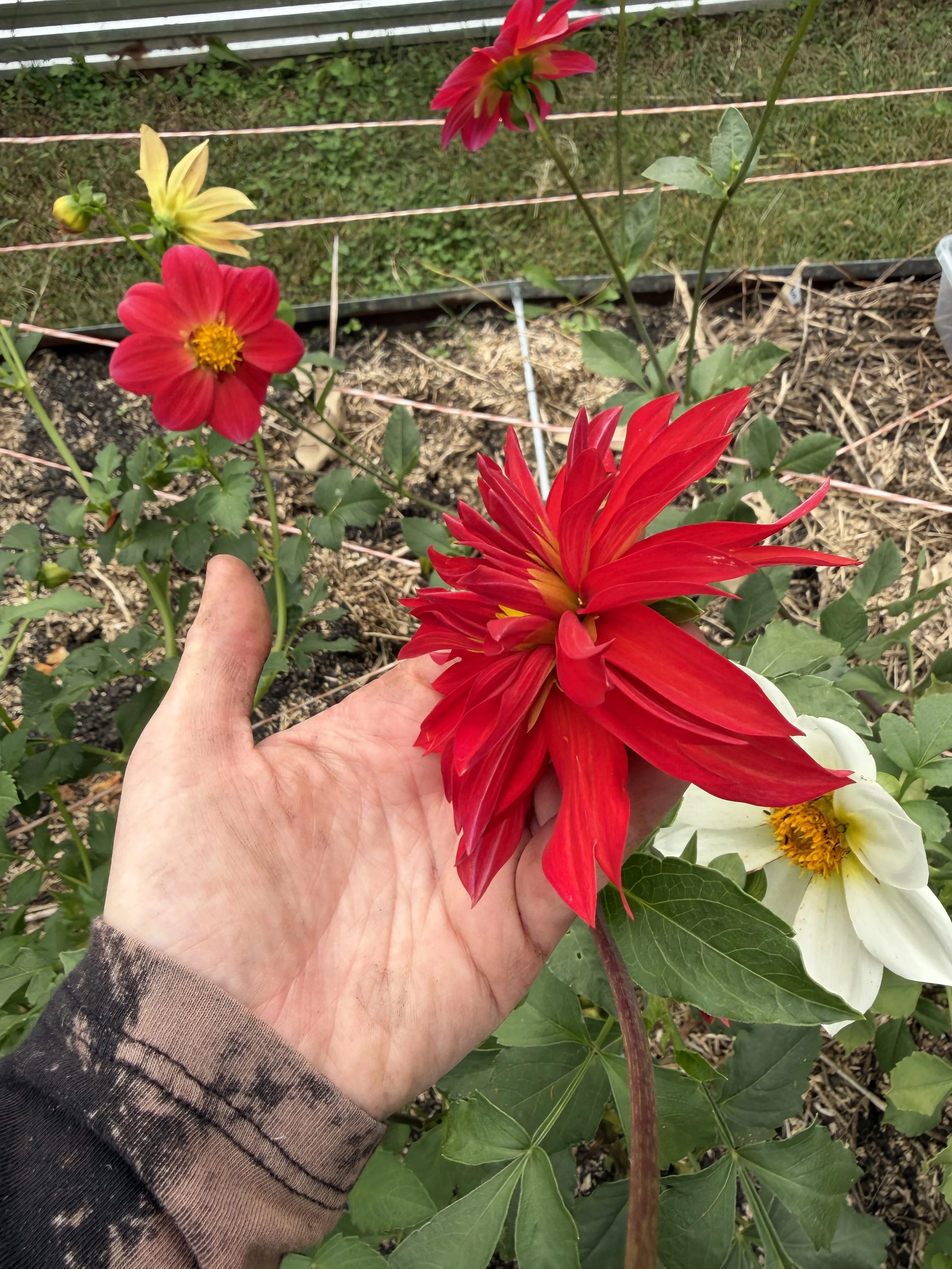 Image 8 of 18
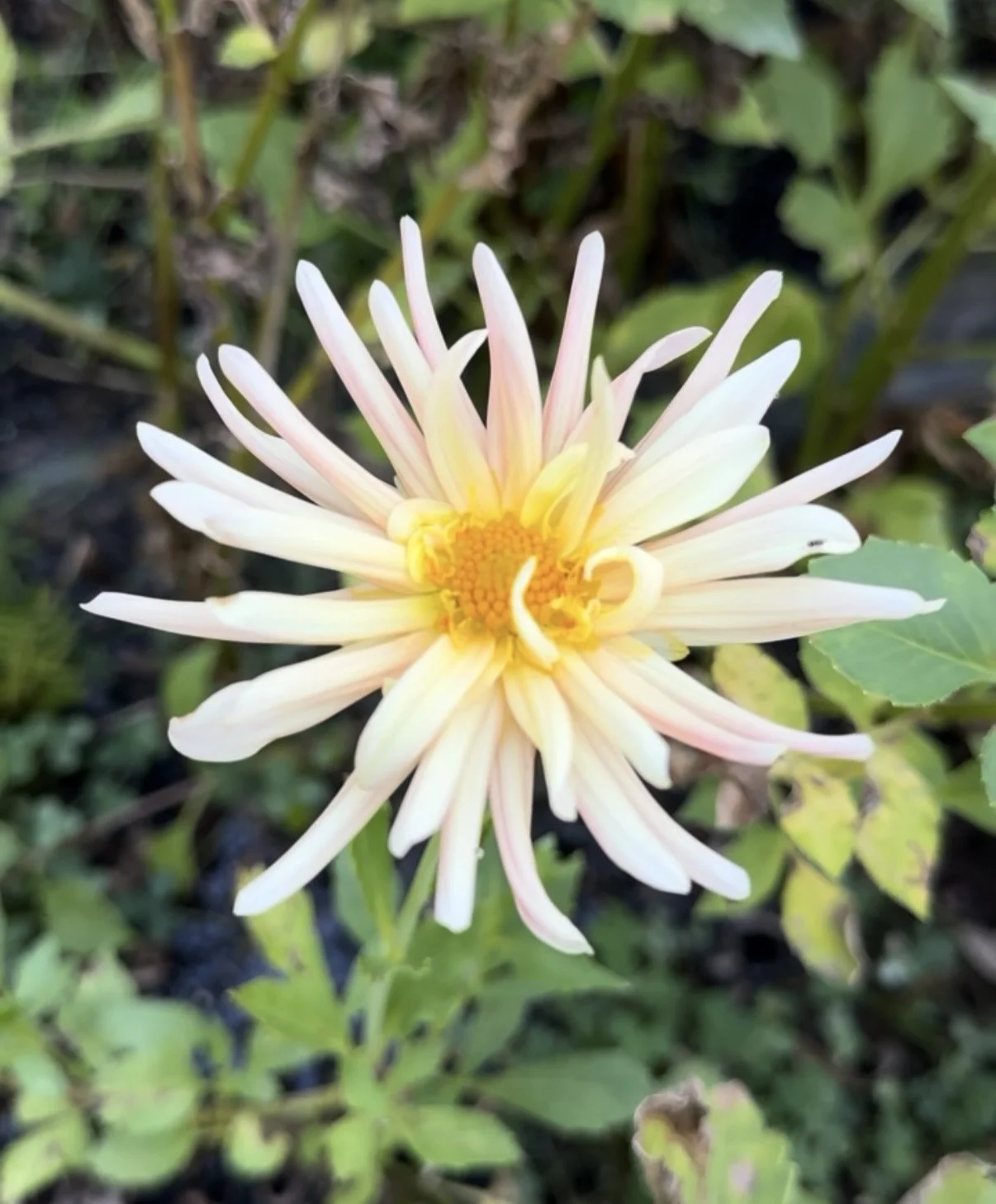 Image 9 of 18
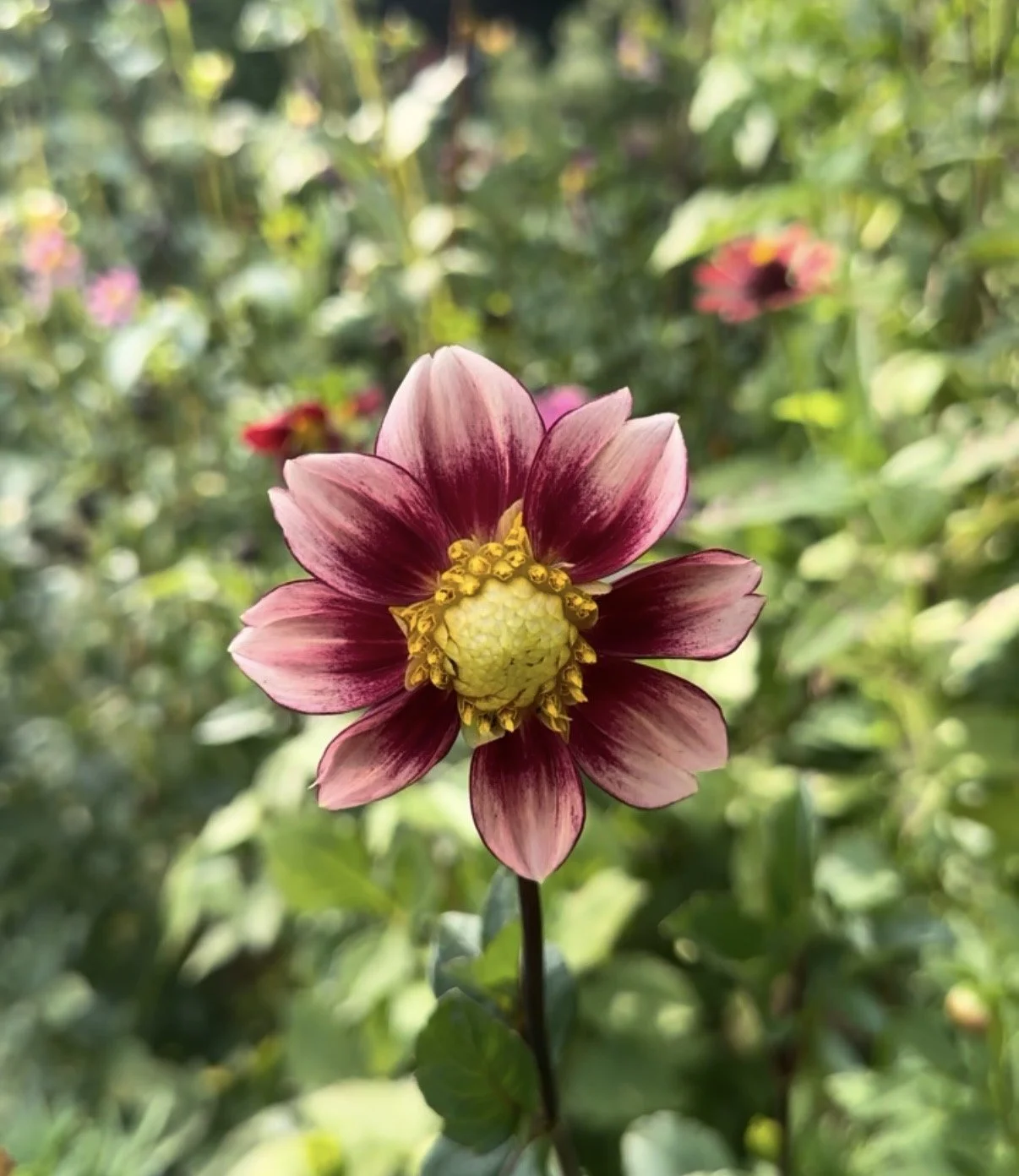 Image 10 of 18
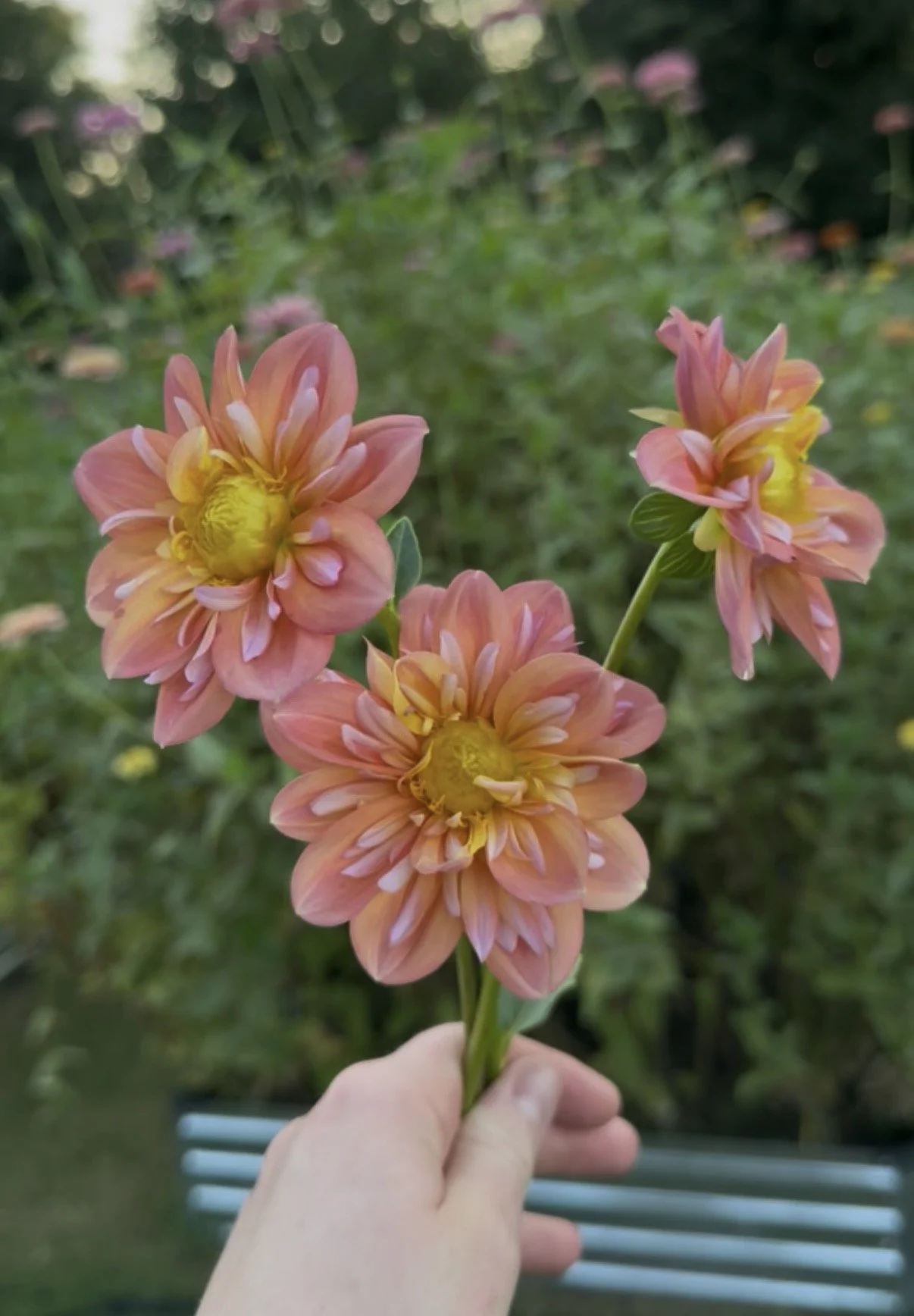 Image 11 of 18
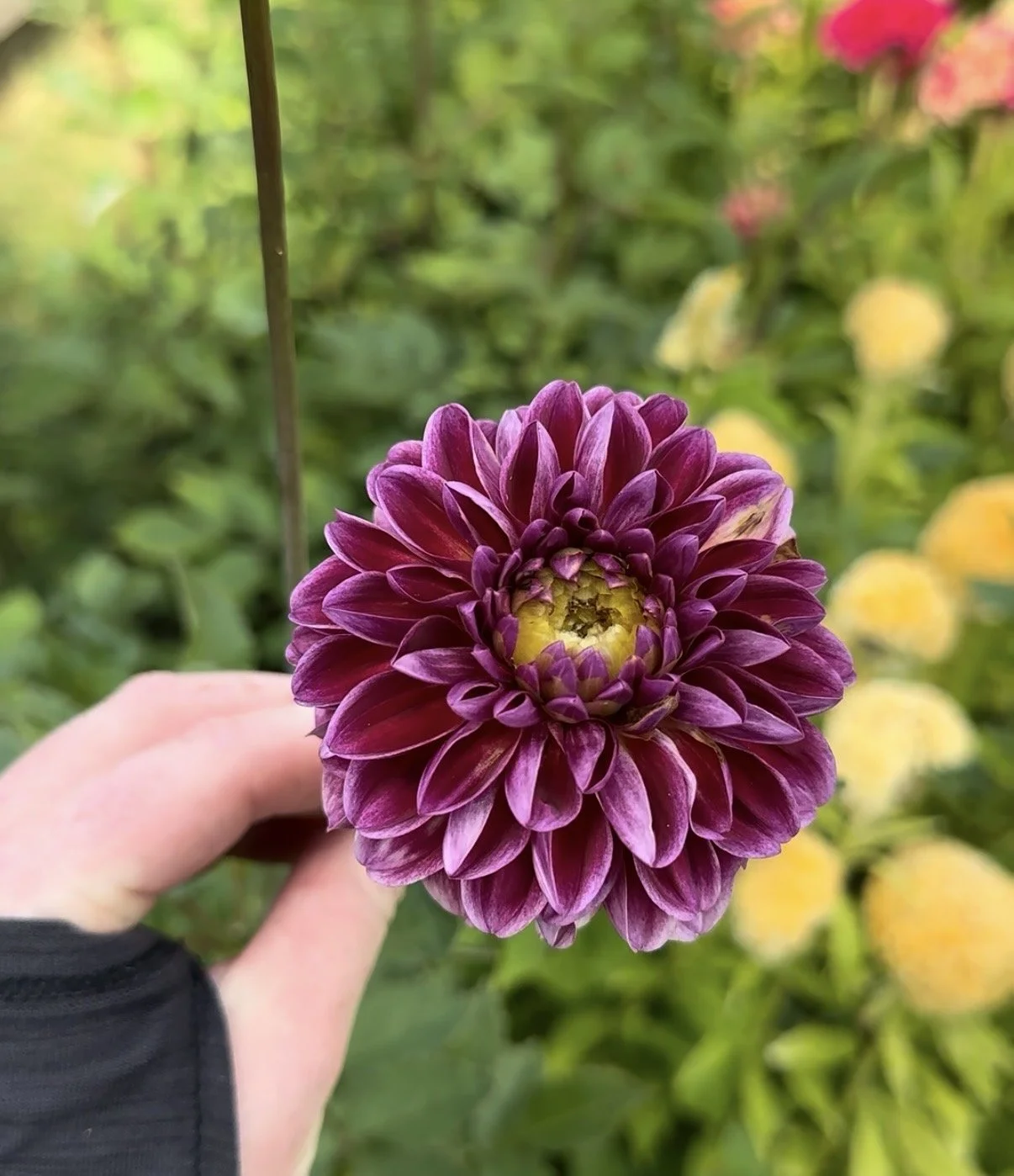 Image 12 of 18
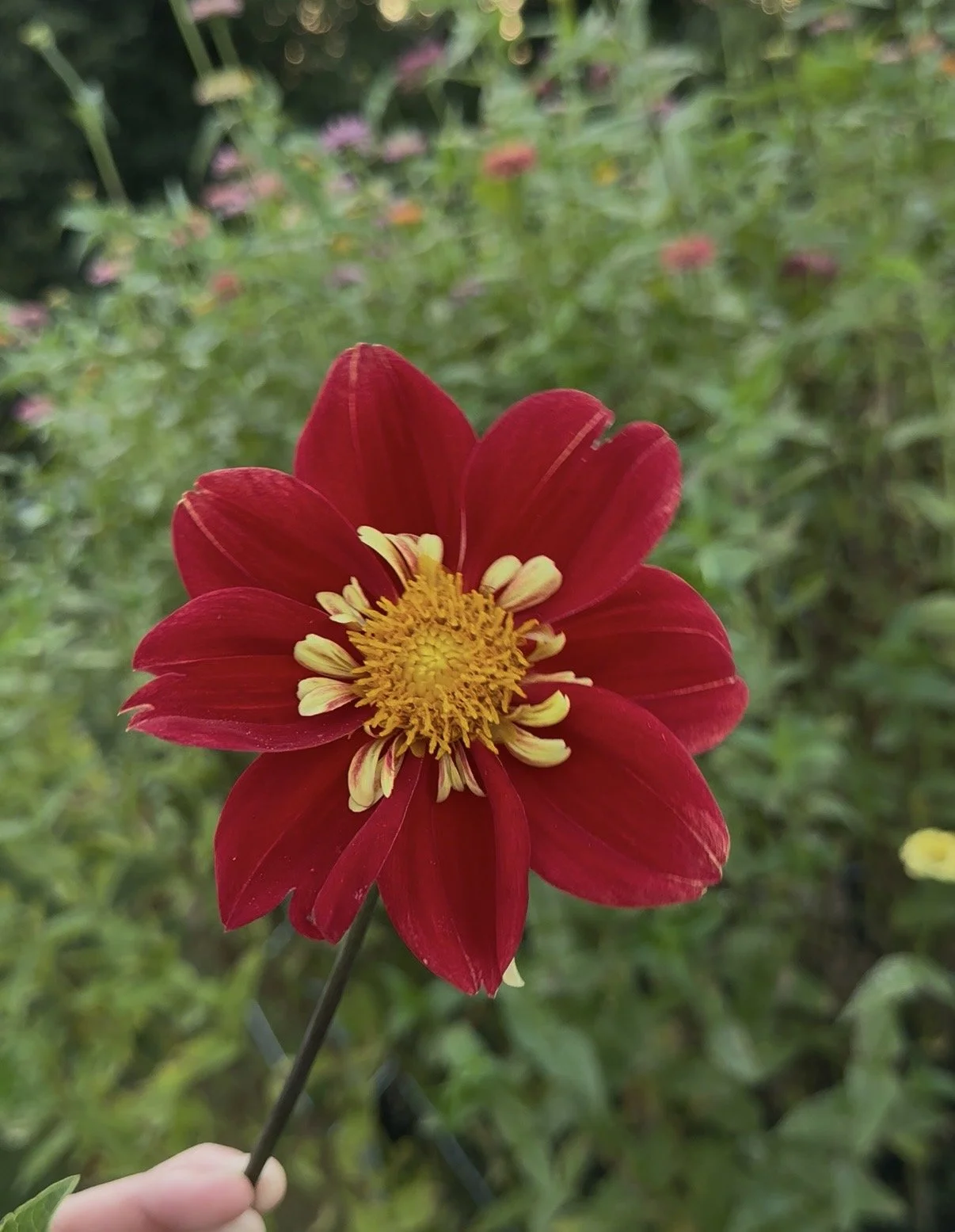 Image 13 of 18
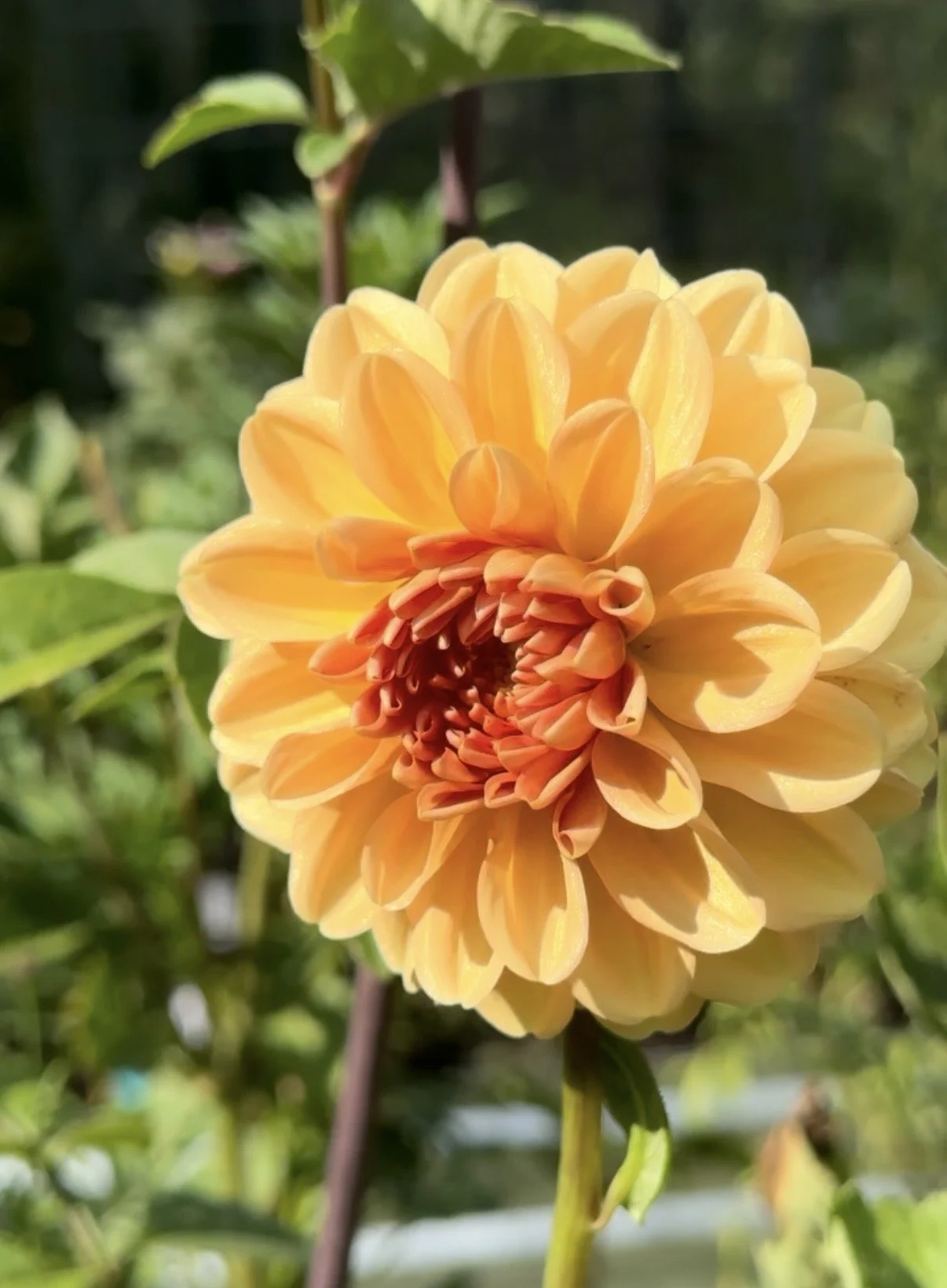 Image 14 of 18
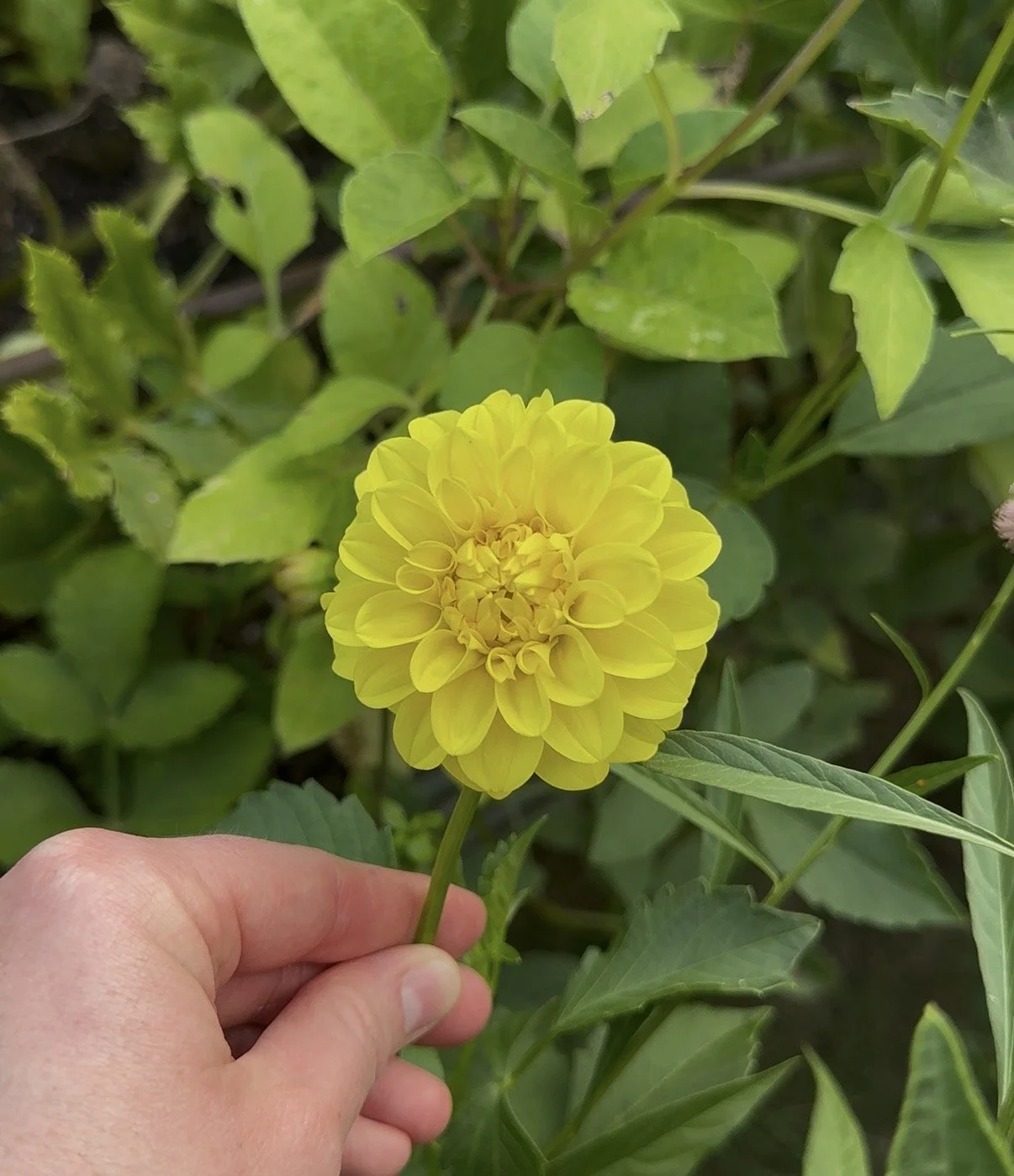 Image 15 of 18
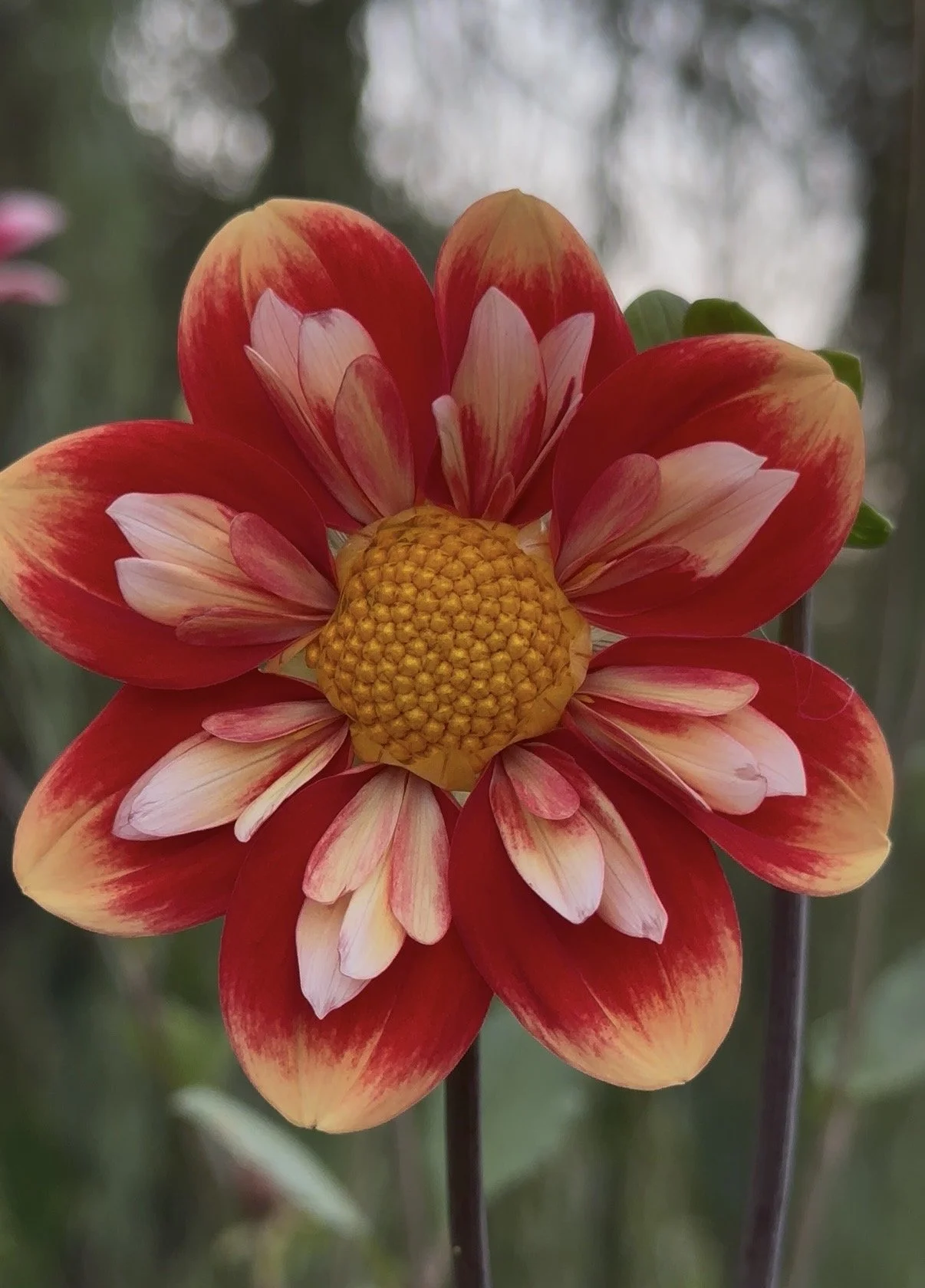 Image 16 of 18
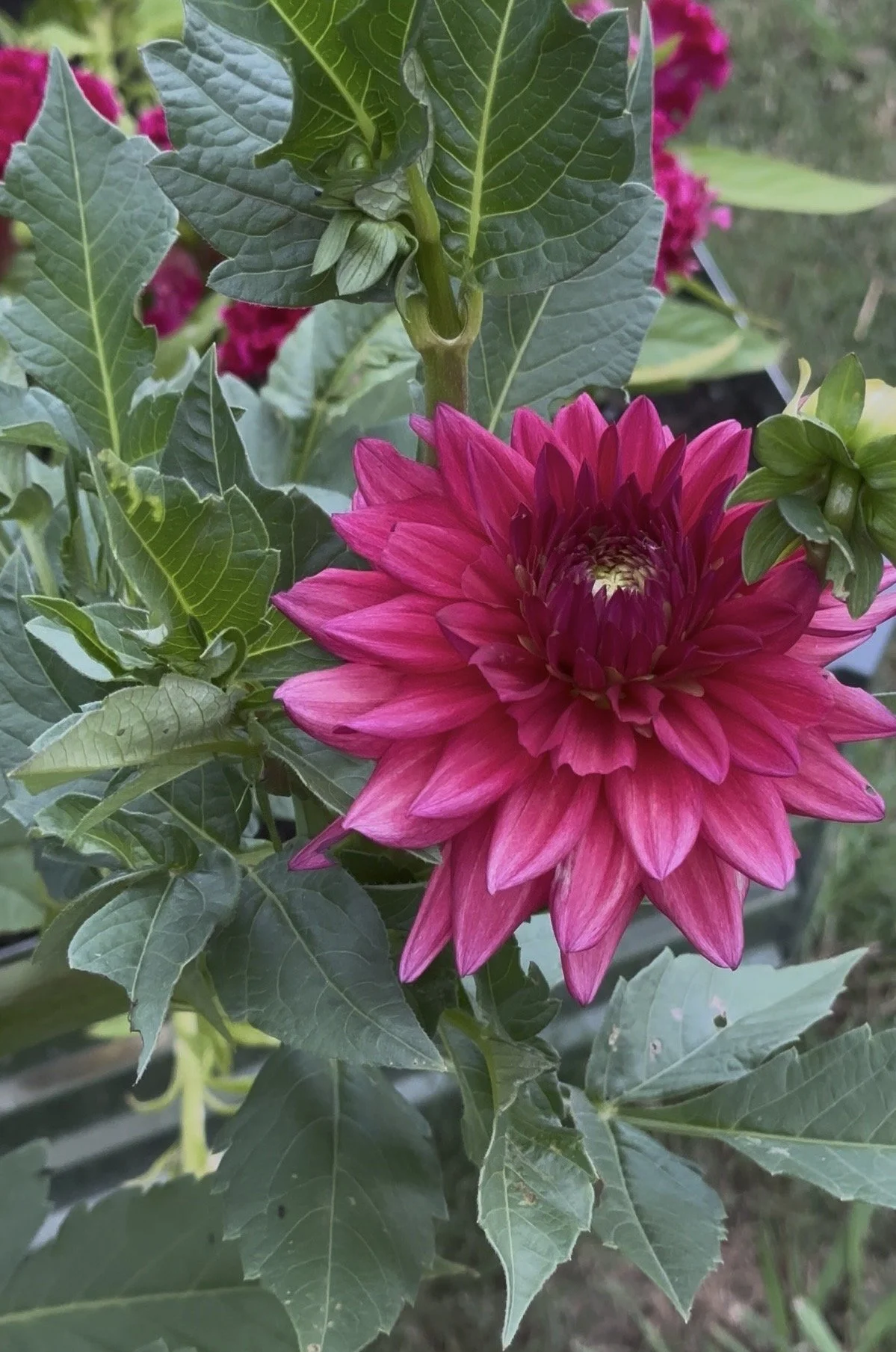 Image 17 of 18
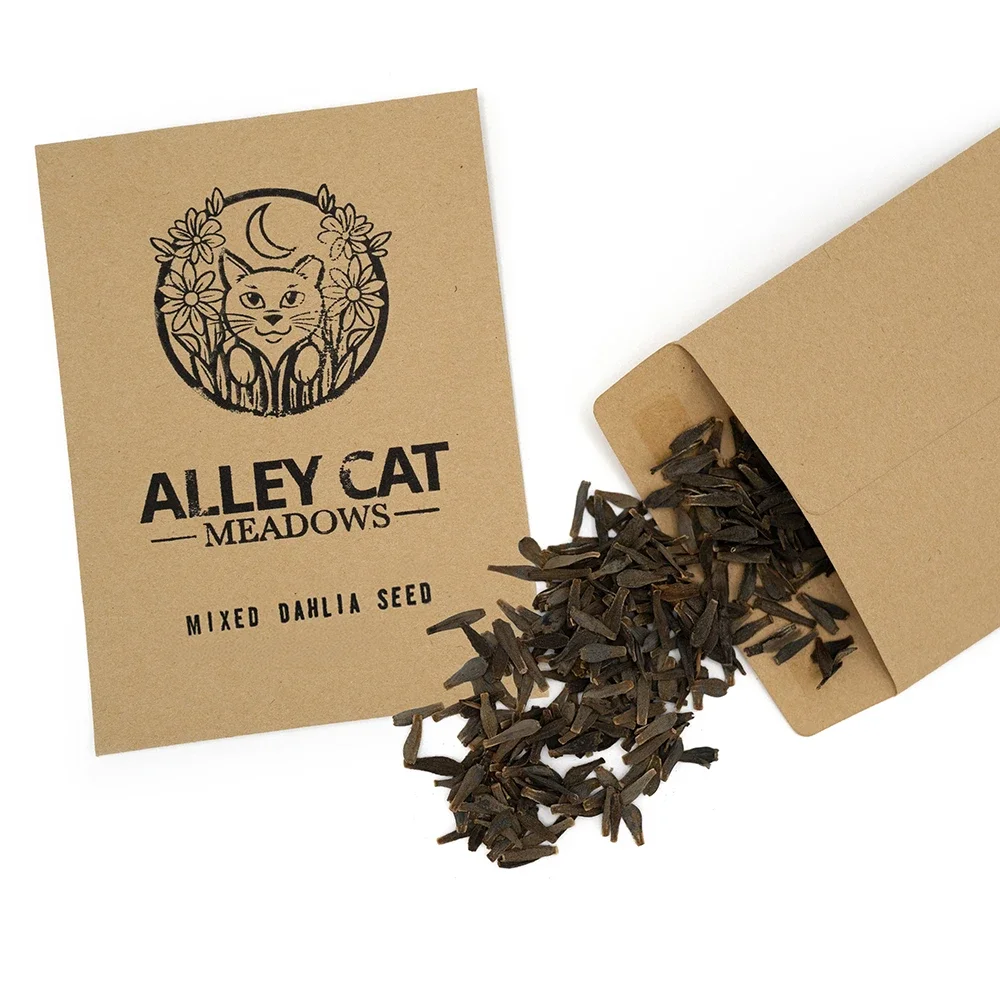 Image 18 of 18
